Should you stay
in Nishijin?
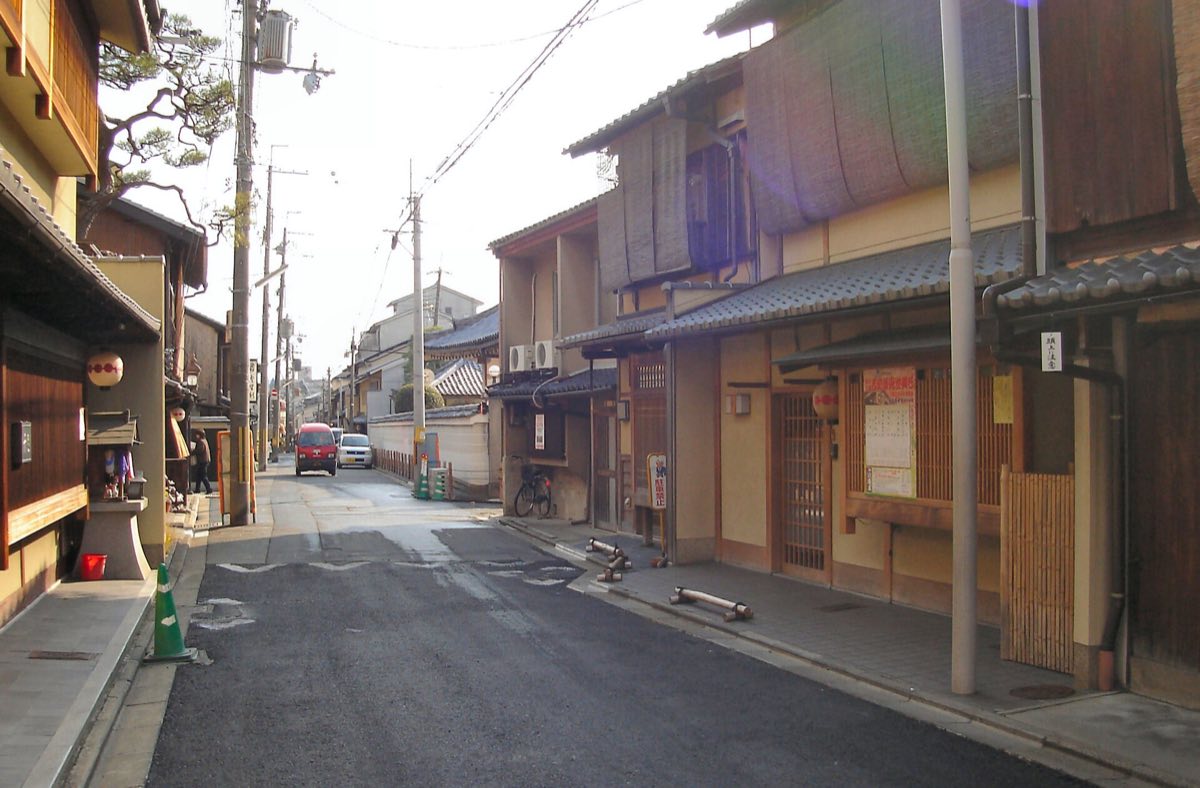
Nishijin is the 500-year-old silk-weaving quarter north-west of the centre, and it has the best-preserved fabric of working machiya townhouses in Kyoto — lattice fronts, tiled roofs, and looms you can still hear behind the walls. There are no marquee temples, so tour buses skip it entirely. Stay here if you want to rent a whole townhouse for ¥35,000–90,000 a night and you are here at least three nights; the transit friction and the lack of a front desk are not worth it for two. Guesthouses run $50–90 for everyone else.
Who Nishijin is for, and who should avoid it
Nishijin is the answer to one specific question: where do I rent a whole Kyoto townhouse and live in a real neighbourhood for a week? For any other question, it is the wrong district.
Stay here if you are a group or a family of four to six, you want a kitchen and a washing machine, you are staying three nights or more, and you like the idea of buying vegetables where your neighbours do. A whole machiya sleeping six at ¥60,000 works out cheaper per head than three hotel rooms, and it is a genuinely different kind of trip.
Avoid it if you are here two nights or fewer. Nishijin is a 10–20 minute walk from the Karasuma subway at Imadegawa or Kuramaguchi, the bus routes are the ones locals warn about, and everything you came to see is 20 to 40 minutes away. Add a self check-in with a keybox, a next-morning departure, and you have spent your whole stay in transit.
Also avoid it if anyone in the group has bad knees. Machiya stairs are close to vertical — that is not a figure of speech, they were built as ladders with treads — and there is no lift, no porter and often no ground-floor bedroom.
The rest of the districts, with price bands and walk times, are on the where to stay hub. If you want the machiya experience with better transit, downtown has a smaller but real supply of them.
Machiya rental vs a hotel room, honestly
The machiya is the whole reason to consider Nishijin, so this is the decision that matters. Prices assume two to six people.
| What you care about | Whole machiya | Business hotel | Winner |
|---|---|---|---|
| Price for four people | ¥35,000–90,000 for the house | ¥24,000–40,000 for two rooms | Depends on group size |
| Price for two people | Same house price, split two ways | ¥12,000–20,000 | Hotel |
| Cleaning fee | ¥5,000–15,000 on top, once | None | Hotel |
| Space | Two floors, courtyard garden, kitchen | One room, 18–22m² | Machiya |
| Laundry | Own washing machine | Coin laundry, ¥400 a load | Machiya |
| Stairs | Near-vertical, no lift, no porter | Lift | Hotel |
| Winter warmth | Wooden, draughty, single-glazed | Insulated and heated | Hotel |
| Sound | Thin walls, and neighbours live there | Sealed and quiet | Hotel |
| Front desk | None — keybox and a phone number | 24 hours | Hotel |
| Right length of stay | Three nights or more | One or two nights | Depends |
| Verdict | WORTH IT | WORTH IT | Group size decides |
The tipping point is roughly three nights and three people. Below that, the cleaning fee and the transit time swallow the advantage. Note the ¥400 lodging tax band applies per person per night either way, and machiya rates above ¥20,000 a night push you into the ¥1,000 band.
What to do in Nishijin
There is no headline temple, which is exactly why the district still feels lived-in. What there is instead: textiles, bathhouses, coffee and two of the best low-key sights in the city, all within a 25-minute walk.
Funaoka Onsen, ¥490, is widely called the best public bath in Kyoto — a 1923 bathhouse with carved wooden transom panels, an outdoor pool, a cypress tub and electric baths, still used by the neighbourhood. Bring a small towel or rent one, wash before you get in, and note that visible tattoos are still an issue at some Kyoto baths. It is the cheapest genuinely memorable thing in this guide.
Weaving and kimono. The Nishijin Textile Center runs free loom demonstrations and paid kimono shows; the smaller independent studios around it do hands-on weaving and dyeing workshops for roughly ¥3,000–8,000. This is the right district for it — see the kimono page for the rental side.
Sarasa Nishijin is a café in a former public bathhouse, tiled floor to ceiling in Majolica tile, serving coffee and cake for about ¥1,200. It is the most photographed room in the district and still full of locals on a weekday.
Kitano Tenmangu, free, is the shrine of scholarship, with a plum garden that peaks in late February and a large flea market on the 25th of every month. On 25 February the Baikasai plum festival includes an open-air tea ceremony served by geiko and maiko from the nearby Kamishichiken district — the oldest hanamachi in Kyoto and far quieter than Gion.
Daitoku-ji, 15 minutes' walk north, is a walled complex of two dozen subtemples where the grounds are free and each open subtemple charges ¥300–400. Daisen-in and Koto-in are the ones people rate. Ten minutes further at Imamiya-jinja, two shops facing each other across the approach have been grilling aburi-mochi — skewered rice cakes over charcoal with sweet miso — for around a thousand years. About ¥600 a plate. More of this on temples nobody visits.
Urasenke, the headquarters of the largest school of Japanese tea, is in this district. Its own buildings are not generally open, but the tea culture around it is why Nishijin has good tea rooms; see the tea ceremony page.
Where to eat in Nishijin
Neighbourhood food at neighbourhood prices, and very little of it aimed at visitors. That is the appeal and the limitation — bring a phone translator and expect a few places to be full at 19:00 with six seats.
The staples: small udon and soba counters at ¥700–1,100, obanzai lunch sets at ¥1,000–1,500, and old-school kissaten coffee shops doing thick-cut toast breakfasts for about ¥600. Nishijin also has a serious independent bakery and coffee scene, which is a genuine Kyoto strength rather than a hipster import.
If you rent a machiya, cook once. The point of having a kitchen is the supermarkets — a local Fresco or Life will sell you sashimi, vegetables, tofu and beer for a fraction of restaurant prices, and everything is half price after about 19:30. Cooking a meal in a 120-year-old kitchen with a courtyard garden outside is a better memory than most restaurants will give you.
Aburi-mochi at Imamiya-jinja, about ¥600, is the district's signature bite: charcoal-grilled rice-cake skewers with white miso sauce, served in a wooden shop that has been doing it since roughly the year 1000. Open daytime only and closed on Wednesdays at one of the two shops.
For a proper dinner, it is a 15-minute subway ride to downtown. Nishijin has no restaurant density after 21:00 and never has. The broader food guide is on the food page.
Nishijin, practically
Where to sleep in Nishijin
This is the machiya-rental district — most of the stock is whole townhouses listed by a handful of Kyoto operators, plus a good supply of small guesthouses at $50–90. There are almost no conventional hotels, which is the point. Book three nights or more, and check the stairs in the photographs before you commit.
Tea in a townhouse, which is the local speciality
Urasenke, the largest school of Japanese tea, is headquartered in this district, and the machiya tea ceremonies here are less staged than the Gion versions. Temple gates take cash at the door and never sell out — a tour is worth paying for because of the guiding and the hour, not to skip a queue that does not exist.
Staying in Nishijin FAQ
Is a machiya worth staying in?
Yes for three nights or more with three or more people. You get a whole two-floor townhouse, a kitchen, a washing machine and a courtyard garden for ¥35,000–90,000 a night plus a one-off cleaning fee. For a couple on two nights, a hotel is cheaper, warmer and has a front desk.
What are the downsides of staying in a machiya?
Near-vertical stairs with no lift, thin walls in a street where people actually live, genuine cold in December and January because the buildings are wooden and single-glazed, a cleaning fee of ¥5,000–15,000, and no reception if something goes wrong at 23:00. Everything else about them is excellent.
Is Nishijin a good area to stay in Kyoto?
For a longer stay in a townhouse, yes — it is the best-preserved everyday neighbourhood in the city and no coach tour goes near it. For a short trip it is not: the subway is a 10–20 minute walk away and most sights are 20–40 minutes out. Three nights is the sensible minimum.
How much is Funaoka Onsen?
¥490, which is the standard Kyoto public bath rate. It opened in 1923, has carved wooden transoms, an outdoor bath and a cypress tub, and it is used by the neighbourhood rather than by tourists. Bring or rent a small towel, wash thoroughly before entering, and check the tattoo policy if that applies to you.
What is Nishijin famous for?
Nishijin-ori — silk brocade weaving, done here for around 500 years and used for the most expensive obi and kimono in Japan. Looms are still running behind the lattice fronts. The Nishijin Textile Center gives free demonstrations and the surrounding studios run hands-on workshops for ¥3,000–8,000.
Can I see geisha outside Gion?
Yes, and more comfortably. Kamishichiken, beside Kitano Tenmangu, is the oldest of Kyoto's five hanamachi and gets a fraction of Gion's attention. The 25 February Baikasai plum festival includes an outdoor tea ceremony served by its geiko and maiko, which is the easiest respectful way to see them.
How far is Nishijin from Kinkaku-ji?
Fifteen minutes on bus 12 or 59 for a flat ¥230 — the one big-name sight that is genuinely close. Daitoku-ji is a 15-minute walk north and its subtemple gardens at ¥300–400 each are, for many people, better than the Golden Pavilion at ¥500.